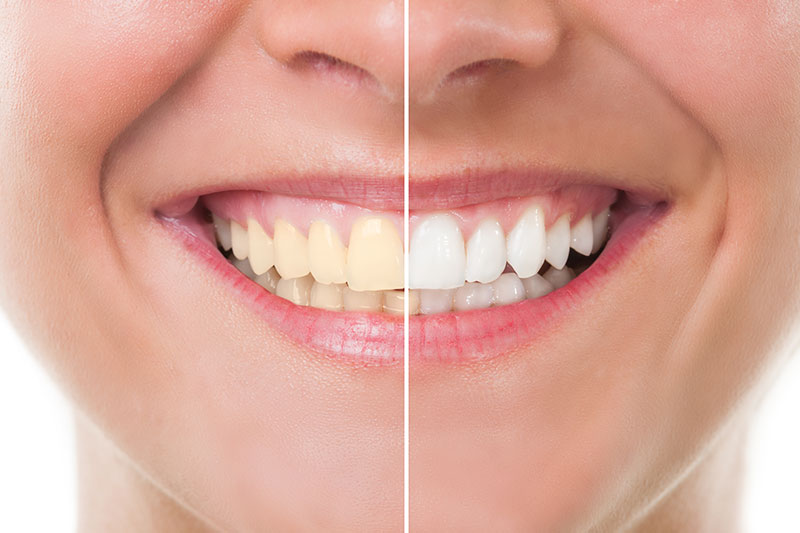
A bright smile can leave a lasting impression, but tooth stains are something many people deal with over time. Whether caused by food, drinks, smoking, aging, or poor oral hygiene, stained teeth can affect confidence and overall appearance. The good news is that many types of tooth discoloration can be treated with the right dental care and professional guidance.
Extrinsic stains affect the outer layer of the tooth, known as enamel. These are the most common types of stains and are usually caused by foods, beverages, and tobacco products.
Common Causes of Extrinsic Stains
Intrinsic stains occur inside the tooth rather than on the surface. These stains are often more difficult to remove because they affect the inner tooth structure called dentin.
Common Causes of Intrinsic Stains
As people age, enamel naturally becomes thinner over time. When enamel wears down, the yellowish dentin underneath becomes more visible.
Age-related discoloration is often a combination of both extrinsic and intrinsic staining.
Why Do Teeth Darken With Age?

At 8th Avenue Dental, patients often ask about the causes of tooth stains and the best ways to restore a cleaner, brighter smile. Understanding the different types of stains can help you choose the most effective treatment option.
What Causes Tooth Stains?
Tooth discoloration can happen for several reasons. Some stains develop on the surface of the teeth, while others occur deeper inside the tooth structure. Lifestyle habits, diet, medications, and aging all play a role in changing tooth color over time. Common causes of tooth stains include:- Coffee and tea
- Red wine and dark-colored beverages
- Smoking or tobacco use
- Poor oral hygiene
- Certain medications
- Aging and enamel wear
- Excess fluoride exposure
- Trauma or tooth injury
What Are the Main Types of Tooth Stains?
Dental professionals generally classify tooth stains into three main categories.Extrinsic Stains – Surface Stains
- Coffee and tea
- Soda and sports drinks
- Red wine
- Curry and dark sauces
- Smoking and chewing tobacco
- Professional dental cleanings
- Teeth whitening treatments
- Whitening toothpaste
- Improved brushing and flossing habits
- Reducing stain-causing foods and drinks
Intrinsic Stains – Deep Internal Stains
- Certain antibiotics during childhood
- Tooth trauma or injury
- Excess fluoride exposure
- Aging
- Internal tooth damage
- Professional teeth whitening
- Dental bonding
- Porcelain veneers
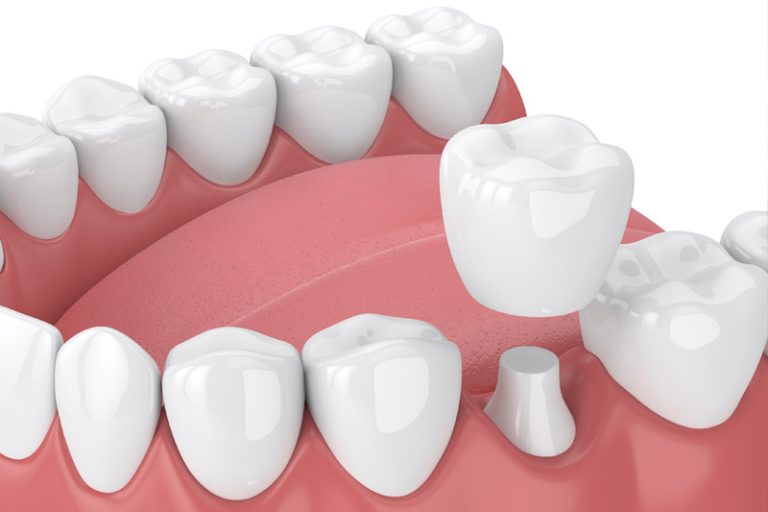
- Dental crowns
Age-Related Stains
- Years of consuming stain-causing foods and drinks
- Natural enamel thinning
- Reduced saliva production
- General wear and tear on teeth
- Professional whitening treatments
- Veneers for severe discoloration
- Consistent oral hygiene
- Regular dental cleanings
What Treatments Help Remove Tooth Stains?
Different treatments work better for different types of stains. A dental evaluation can help determine the most effective option.
Tooth stain types and treatment options
| Type of Stain | Common Causes | Best Treatment Options |
|---|---|---|
| Extrinsic Stains | Coffee, tea, smoking, wine | Professional cleaning, whitening |
| Intrinsic Stains | Trauma, medication, fluoride | Veneers, bonding, crowns |
| Age-Related Stains | Aging, enamel wear | Whitening, cosmetic dentistry |
Can Tooth Stains Be Prevented?
While not every type of discoloration can be avoided completely, good habits can help reduce staining and maintain a brighter smile. Tips to Prevent Tooth Stains- Brush twice daily
- Floss regularly
- Limit coffee, tea, and red wine
- Avoid smoking or tobacco use
- Rinse your mouth after dark-colored foods or drinks
- Visit the dentist regularly for cleanings
- Use a straw for stain-causing beverages when possible
Why Professional Whitening Is Often More Effective
Many over-the-counter whitening products promise quick results, but professional treatments are typically stronger, safer, and more customized.
At 8th Avenue Dental, dental professionals can evaluate the cause of staining and recommend treatments designed specifically for your smile goals and oral health condition.
Professional whitening also helps reduce the risk of gum irritation or uneven whitening that sometimes happens with store-bought products.
When Should You See a Dentist About Tooth Stains?
Book a dental visit if…
It is a good idea to visit a dentist if:
- Stains appear suddenly
- Teeth become dark after an injury
- Whitening products are not working
- Discoloration affects confidence
- You experience pain or sensitivity with discoloration
Some stains may indicate underlying dental issues that require professional care.
Conclusion
Tooth stains are extremely common, but many treatment options are available to restore a brighter and healthier-looking smile. Whether discoloration is caused by coffee, aging, smoking, or internal tooth changes, understanding the type of stain is the first step toward effective treatment. From professional cleanings to cosmetic dentistry solutions, modern dental care offers multiple ways to improve tooth appearance and confidence.
If you are looking for guidance on whitening treatments or stain removal options, 8th Avenue Dental can help you find the right solution for your smile.
Frequently Asked Questions
01What are the most common causes of tooth stains?
Coffee, tea, smoking, red wine, poor oral hygiene, aging, and certain medications are some of the most common causes of tooth discoloration.
02Can all tooth stains be removed with whitening?
No. Surface stains often respond well to whitening, but deeper intrinsic stains may require veneers, bonding, or crowns.
03Is professional teeth whitening safe?
Yes, professional whitening treatments are generally safe when performed under dental supervision.
04How long do whitening results last?
Results vary depending on diet and lifestyle habits, but many patients maintain results for months or even years with proper care.
05Can smoking permanently stain teeth?
Smoking can cause heavy staining over time, but professional dental cleaning and whitening treatments may help improve discoloration.
Medical Disclaimer
This article is for general educational purposes only and does not replace advice from your own dentist. Recovery timelines and aftercare instructions vary from patient to patient. Always follow the specific post-operative instructions you were given after your procedure, and contact our office if you have questions or concerns.
The 8th Avenue Dental Team
Our dentists and hygienists in Fort Worth write and review every article on this blog, so the guidance you read here matches what we actually do in the practice — from implant aftercare to cleanings and whitening.